Easy walks, senior discounts, free admission and the passes that save you money, in Bucks County
Photo: Daderot, Public domain, via Wikimedia Commons
Bucks County suits an easy pace. The Delaware Canal towpath is level for its whole length, the state parks charge no
entrance fee, and several of Doylestown's museums and the county's historic sites offer a senior rate. The lists below
gather the easy walks, the discounts, the places that are free for everyone and those that are easy to get around, as
each place describes them.
Save money
Passes and discounts
US citizens and permanent residents, 62 and over
America the Beautiful Senior Pass
One pass covers the entrance and standard day-use fees at national parks, national forests, wildlife refuges and Army Corps of Engineers lakes, for everyone in your car, or for four people where the fee is charged per person. It can also halve some camping, swimming and boat-launch fees, though not fees charged by concessioners.
The lifetime pass costs the same as one year of the regular annual pass, and an annual senior pass is sold too. Most of Pennsylvania's national park sites are free to enter anyway; the pass matters most at the Delaware Water Gap's beaches, the Allegheny National Forest and Army Corps lakes such as Raystown. An old Golden Age Passport is still honored and can be swapped for a lifetime pass at no charge. Bring photo ID.
Free for life, with the same coverage as the Senior Pass, for US citizens and permanent residents whose permanent disability severely limits a major life activity. Bring a doctor's statement or a federal or state disability document, or sign a statement at the site.
No state park charges an entrance or day-use fee. Campers 62 and over get a reduced campsite price, residents and visitors alike, as long as the senior is the person named on the reservation, and the state park swimming pools have senior day and season rates.
Each park page here has a "For seniors" box with the park's easiest walk and its accessible features.
DCNR marks every accessible trail, fishing pier, picnic area, campsite and viewing spot on its park pages with a wheelchair symbol, and some parks have beach wheelchairs you can reserve. Call the park office before you go to check that what you need is open.
The Fish and Boat Commission sells a reduced senior annual license, three- and five-year senior licenses, and a senior lifetime license, plus a senior lifetime permit for Lake Erie. Many state parks have accessible fishing piers.
Local fixed-route public transit is free whenever it runs, with a senior transit ID card that the local transit agency issues free on proof of age. Shared-ride, door-to-door service costs seniors 15 percent of the fare in every county; book it a day ahead.
Most of the paid museums, gardens, historic sites, caves and amusement parks in this guide have a senior rate, though the age varies, so carry ID and ask. If you belong to a museum, garden or zoo at home, a reciprocal network may get you in free; each place page lists its networks.
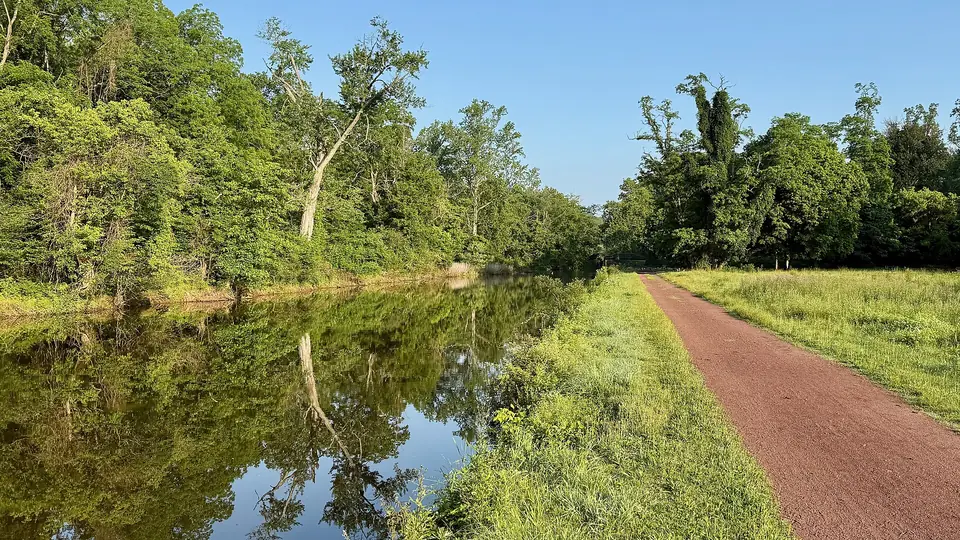
The canal towpath is a level, easy path that follows the historic Delaware Canal for about 59 miles between Easton and Bristol, past locks, river views and old towns; walk any stretch out and back, for example from the Locktender's House at New Hope. A 1.3-mile easy loop also circles the Giving Pond. DCNR lists the towpath as accessible, though some sections are easier than others, so check the stretch first. At Lock 11 in New Hope there is one accessible parking space in a paid private lot, and wheelchairs can go north only, as there are stairs to the south.
The Penn's Woods trails, a short walk across the road from the Visitor Center, are wide and flat; most of the preserve's roughly 4.5 miles of trails meander gently, though some across the creek are rugged. Staff-driven Access Cart tours of about an hour carry visitors with limited mobility by reservation; riders must board on their own or with help from their party, and the cart cannot take a wheelchair. Reduced admission for visitors 65 and over; free for everyone on the first Friday of each month.
Much of Tyler is linked by paved trails: the ADA-accessible Woodfield Trail (0.5 mile) winds through old forest above Neshaminy Creek, and No. 1 Lane Trail is accessible for 0.8 mile past fields and woods. Buckman, Quarry and Woodfield trails and part of No. 1 Lane Trail are paved and ADA accessible, and the Spring Garden Mill theater and Tyler Park Center for the Arts have ADA access.
Embarcation Drive, a paved 0.4-mile path rated easiest, runs from the visitor center through the historic village along the river, and the short Washington's Crossing Trail beside it is ADA accessible. The Delaware Canal towpath links the park's two sections (about 4.4 miles). The visitor center is accessible, with ADA parking, and the riverside paths through the historic village are paved or accessible; the Taylorsville General Store is wheelchair accessible.
The museum describes its building as fully ADA accessible. Seniors pay a reduced rate; admission is free for everyone on the second Sunday of the month through December 2026.
The guided village tour covers less than a quarter mile of fairly flat walking between the old houses. The preserved buildings are not wheelchair accessible. Seniors pay a reduced rate for the village tour.
The walk: The paved Bike Trail, rated easiest, runs 2 miles through the day use area from the marina, with lake views, to a waterfall and an old mill pond; a 0.5-mile spur passes the pool.
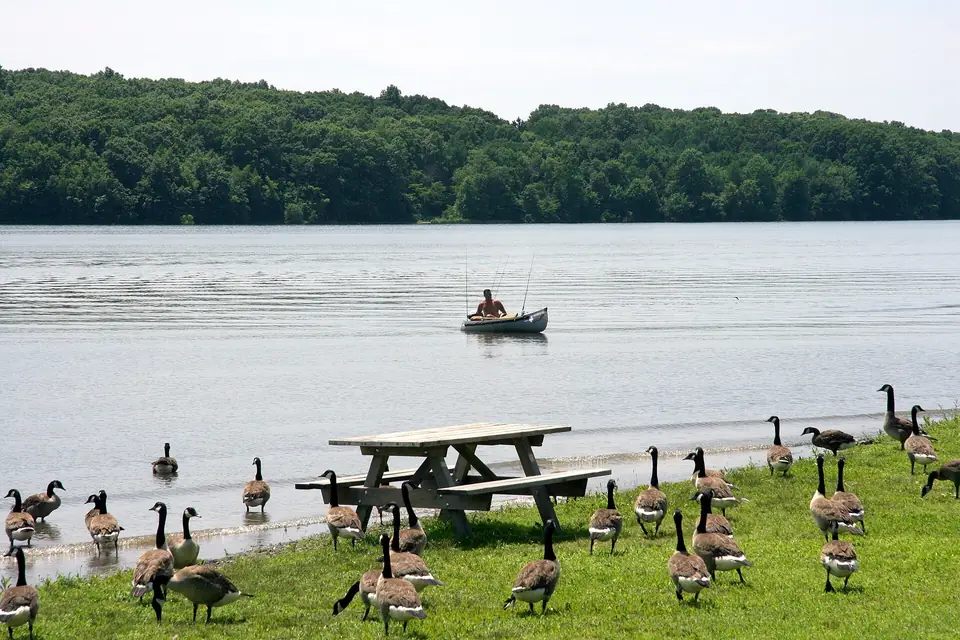
A long reservoir in the rolling hills, busy with sailboats and anglers, with a marina, a swimming pool, cabins, a paved bike path and bridle trails along the shore.
The walk: Much of Tyler is linked by paved trails: the ADA-accessible Woodfield Trail (0.5 mile) winds through old forest above Neshaminy Creek, and No. 1 Lane Trail is accessible for 0.8 mile past fields and woods.
The Schofield Ford Covered Bridge spans Neshaminy Creek in this park of old farm fields and woodland, laced with paved paths and bridle trails and home to a historic mill.
The walk: The canal towpath is a level, easy path that follows the historic Delaware Canal for about 59 miles between Easton and Bristol, past locks, river views and old towns; walk any stretch out and back, for example from the Locktender's House at New Hope. A 1.3-mile easy loop also circles the Giving Pond.
Nearly 60 miles of towpath along a 19th-century canal that still runs unbroken from Easton to Bristol, passing locks, river islands and old canal towns such as New Hope.
The walk: River Walk, rated easiest, follows the Delaware River and Neshaminy Creek for about 0.9 mile with views of the Philadelphia skyline; from Lot 2 it is reached by the paved Logan Walk and Oak Lane.
Where Neshaminy Creek meets the tidal Delaware River, with a big swimming pool, a marina and a riverside walk looking out across the water.
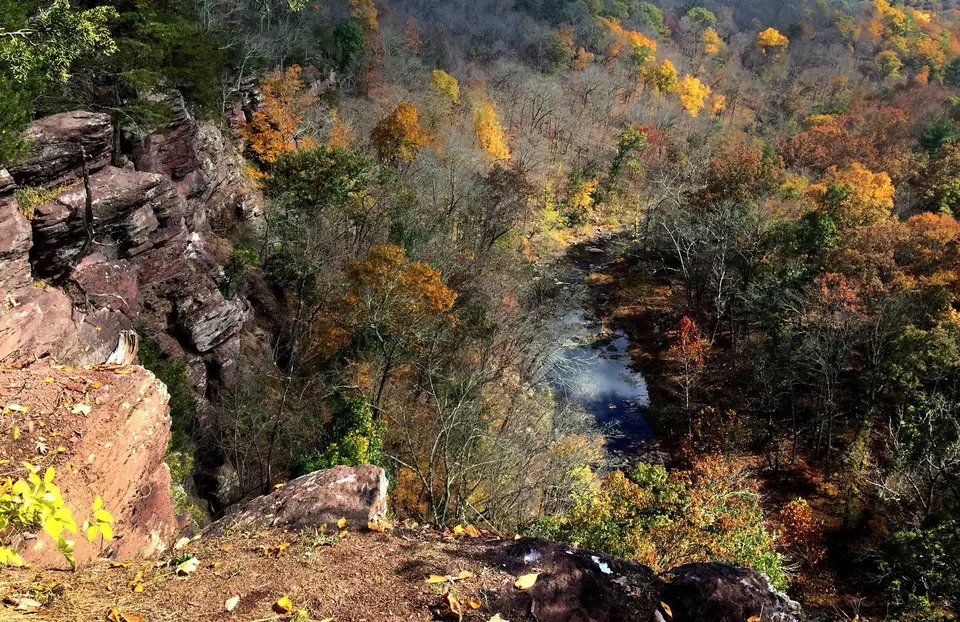
The walk: The Blue Section, rated easiest, is a 1.6-mile trail through the park and neighboring Tohickon Valley Park to the 200-foot High Rocks cliffs above a horseshoe bend of Tohickon Creek, where a safety rail lines the edge; the 0.1-mile Stover Trail loop looks over the creek.
Rock climbers scale the cliffs of High Rocks above a horseshoe bend of Tohickon Creek, whitewater paddlers run it on release weekends, and picnickers spread out along its banks below.
Historic park · Upper Makefield Township · 469 acres
The walk: Embarcation Drive, a paved 0.4-mile path rated easiest, runs from the visitor center through the historic village along the river, and the short Washington's Crossing Trail beside it is ADA accessible. The Delaware Canal towpath links the park's two sections (about 4.4 miles).
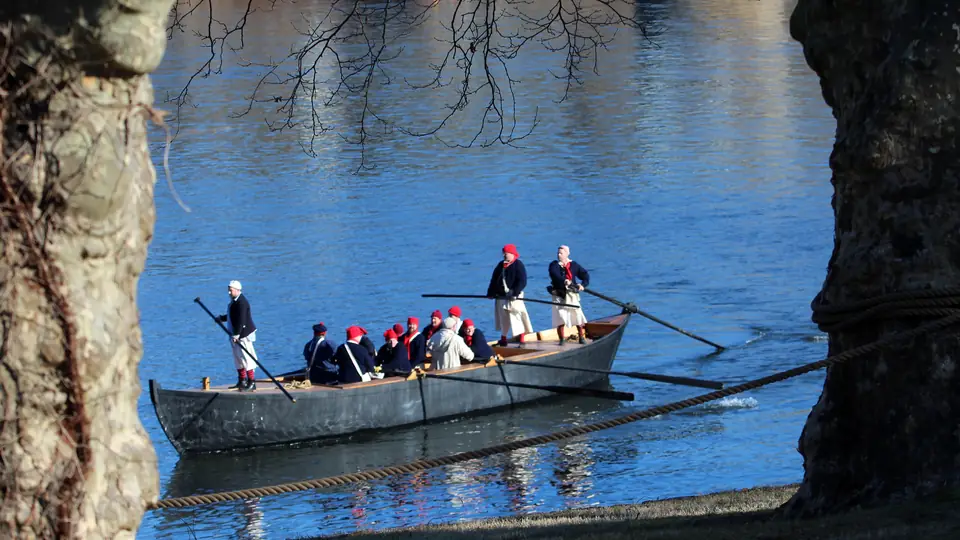
The Pennsylvania shore where Washington's army set out across the icy Delaware on Christmas night 1776, with historic buildings and a yearly reenactment.
Senior rate: Reduced admission for visitors 65 and over; free for everyone on the first Friday of each month.
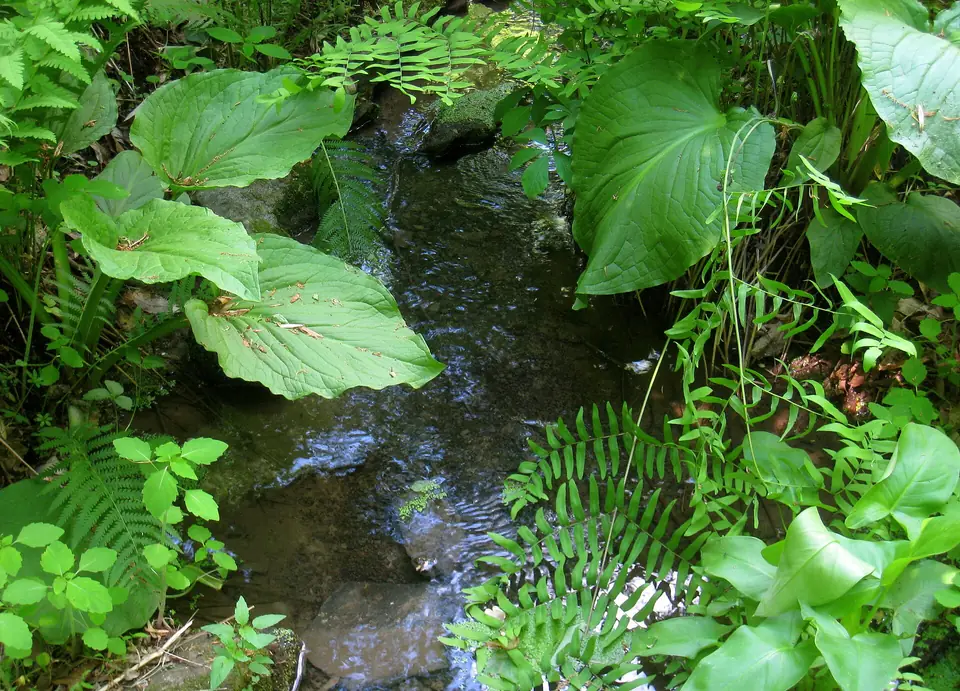
More than 100 acres of woods and meadows devoted to the region's native plants, with trails along Pidcock Creek that are at their best in spring wildflower season.
Senior rate: Reduced admission for visitors 65 and over.
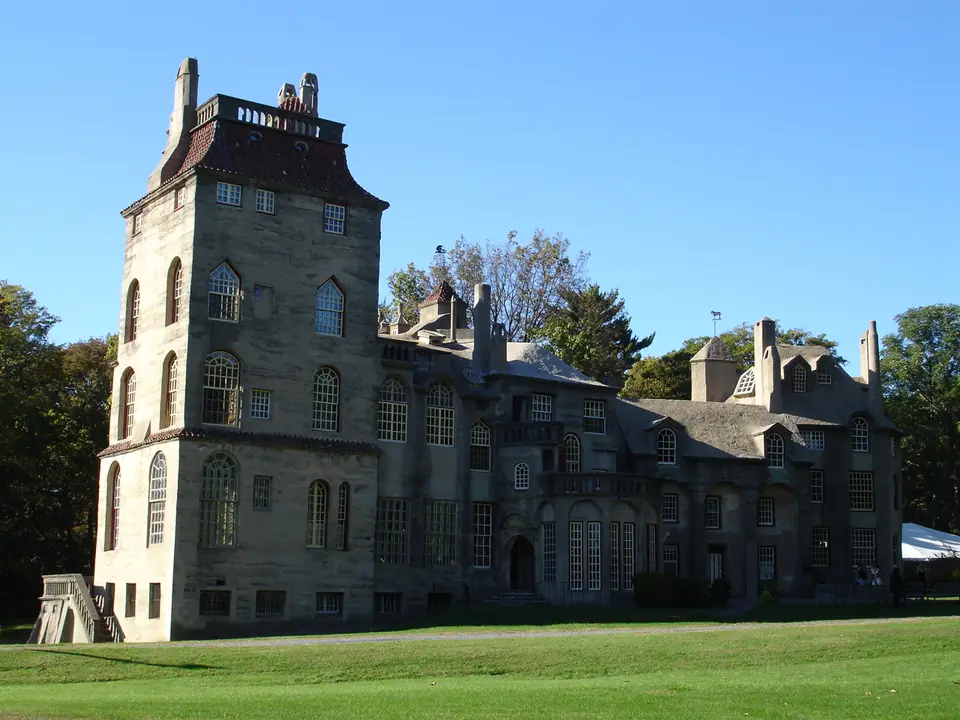
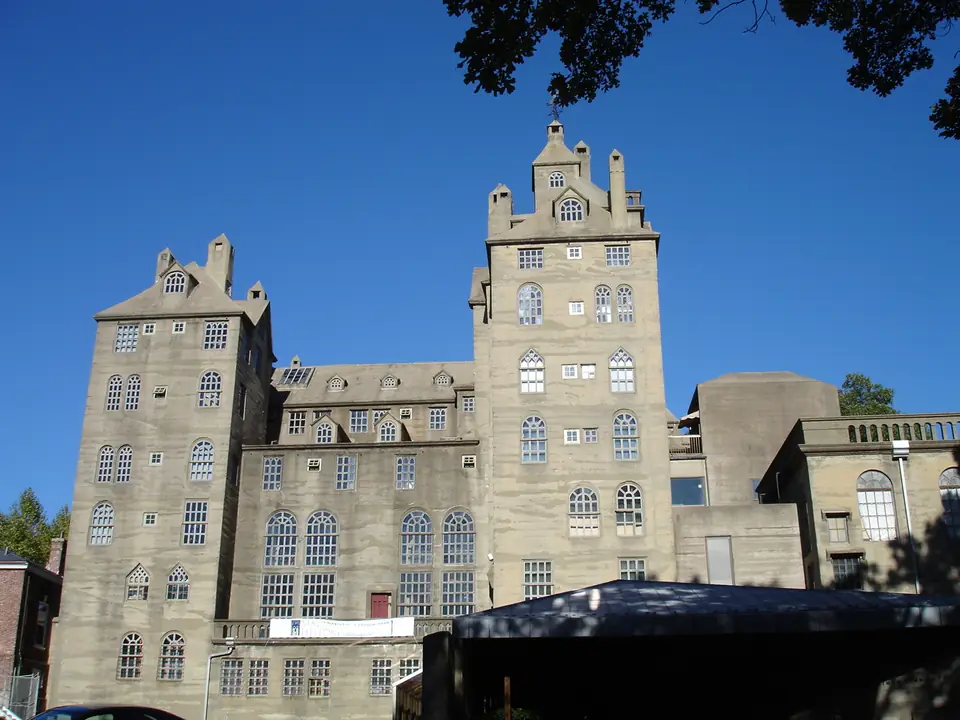
Henry Chapman Mercer's eccentric poured-concrete castle, a warren of 44 rooms built between 1908 and 1912 and studded with tiles from his own works and from around the world.
Senior rate: Reduced admission for visitors 65 and over.
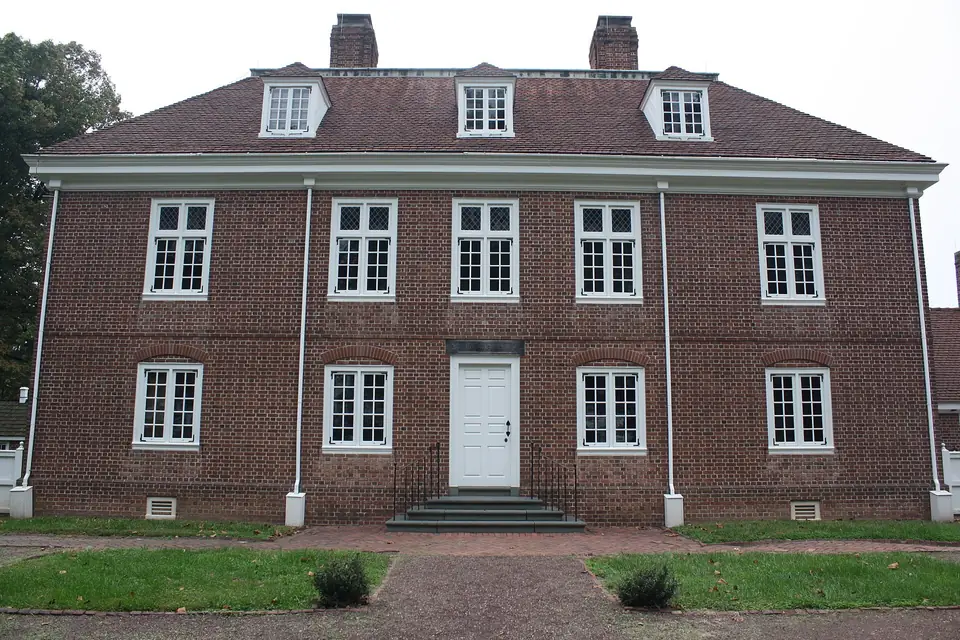
William Penn's country estate on the Delaware River, with a 1930s re-creation of his manor house, gardens, outbuildings, farm animals and demonstrations of 17th-century life.
Senior rate: Reduced admission for visitors 65 and over.
Henry Mercer's six-story concrete castle, packed with tools of early American trades, with a whaleboat, wagons and carriages hanging in its soaring central court.
Getting around: The park guide calls the paved trail suitable for wheelchairs; there is an accessible fishing pier at mid-lake in the day use area, an accessible kayak launch at Tohickon, and the pool has a zero-entry ramp.
A long reservoir in the rolling hills, busy with sailboats and anglers, with a marina, a swimming pool, cabins, a paved bike path and bridle trails along the shore.
Getting around: Buckman, Quarry and Woodfield trails and part of No. 1 Lane Trail are paved and ADA accessible, and the Spring Garden Mill theater and Tyler Park Center for the Arts have ADA access.
The Schofield Ford Covered Bridge spans Neshaminy Creek in this park of old farm fields and woodland, laced with paved paths and bridle trails and home to a historic mill.
Getting around: DCNR lists the towpath as accessible, though some sections are easier than others, so check the stretch first. At Lock 11 in New Hope there is one accessible parking space in a paid private lot, and wheelchairs can go north only, as there are stairs to the south.
Nearly 60 miles of towpath along a 19th-century canal that still runs unbroken from Easton to Bristol, passing locks, river islands and old canal towns such as New Hope.
Getting around: DCNR calls the River Walk highly accessible though not fully ADA; park in Lot 2, which has accessible spaces, and paved trails nearby give views of Logan Garden.
Where Neshaminy Creek meets the tidal Delaware River, with a big swimming pool, a marina and a riverside walk looking out across the water.
Historic park · Upper Makefield Township · 469 acres
Getting around: The visitor center is accessible, with ADA parking, and the riverside paths through the historic village are paved or accessible; the Taylorsville General Store is wheelchair accessible.
The Pennsylvania shore where Washington's army set out across the icy Delaware on Christmas night 1776, with historic buildings and a yearly reenactment.
Getting around: Staff-driven Access Cart tours of about an hour carry visitors with limited mobility by reservation; riders must board on their own or with help from their party, and the cart cannot take a wheelchair.
More than 100 acres of woods and meadows devoted to the region's native plants, with trails along Pidcock Creek that are at their best in spring wildflower season.
Avoid the crowds
Beat the crowds
Go midweek
Tuesday to Thursday is the quietest time almost everywhere. New Hope and Peddler's Village are at their busiest on fine summer and fall weekends and on holiday Mondays.
Start early
Arrive when the gates open. Trails are cool, parking is easy, and the big museums are calm before tour buses and school groups arrive; in spring, school trips fill many museums on weekday mornings, so the afternoon is quieter.
Travel in the shoulder seasons
May and early June, before schools let out, and September after Labor Day bring long days and thin crowds. Seasonal places may keep shorter hours then, so check first.
See the fall color on a weekday
Peak color brings weekend crowds to the river road along the Delaware and to the covered bridges. DCNR's weekly report in the fall shows where the leaves are at their best. Fall foliage reports ↗
Skip the big days
Holiday weekends, the Christmas Day crossing at Washington Crossing and town festival weekends draw the largest crowds. A place's events page will tell you what is on before you set off.
Book timed tickets
The busiest gardens and attractions sell timed entry, especially for holiday lights in December. A weeknight early in the season is calmer than the last days of the year, and a ticket bought ahead saves a wait in line.
Plan ahead
Before you go
Carry ID and your passes
Senior rates and passes need proof of age. Keep a photo ID and your Senior Pass in the car, and ask for the senior rate even where none is posted.
Check the trail rating
DCNR's park guides rate the trails by difficulty and show them on a map; each state park page here links to its guide. The easy walks listed here come from those ratings and from each place's own trail descriptions.
Plan for heat and rest
In July and August, walk in the morning, carry water, and save the afternoon for a shady picnic grove or an air-conditioned museum. Park maps show restrooms and picnic areas.
Watch for ticks
Pennsylvania reports many cases of Lyme disease. Keep to the middle of the trail, use a repellent, and check for ticks when you get home.
Wear orange in hunting season
Most state forests and many state parks are open to hunting in season, mostly in fall and winter. Wear something bright orange and keep to the busier trails and day-use areas.
Expect gaps in phone signal
Cell coverage is patchy in the big forests of the north. Download maps before you go, fill the tank, and tell someone where you are headed.